LABORATORY SERVICE

Foam Compound Tests-Water Analysis-Air Qualtiy Test

Berth Marine offers a variety of foam compound tests including fire extinguishing foam, water, and air quality analysis. These tests ensure the periodic checking of fire safety, water quality, and air health on ships.
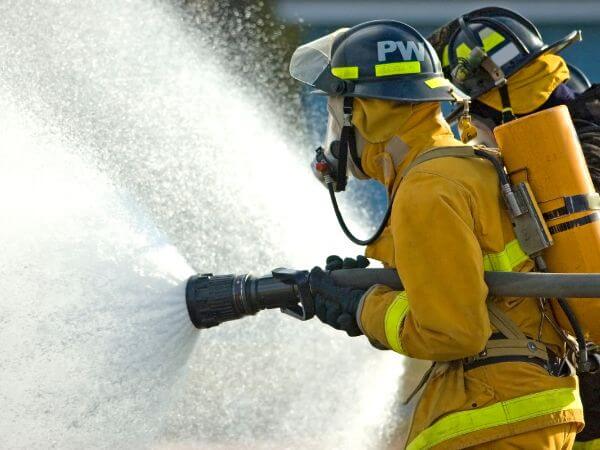
DSS Maritime Foam Compound Analysis

The foam compound tests cover various foam concentrates such as Protein and Fluoroprotein Concentrates, Film Forming Fluoroproteins (FFFP), Alcohol-Resistant Species, Synthetic Detergent Foams (Low, Medium, and High Degrees of Expansion), and Premix Solutions. Aqueous Film Forming Foams (AFFF) are also included in the tests.

Berth Marine guarantees a standard service of 72 hours for the test results, providing fast and efficient analysis. Moreover, they offer expert advice that is independent of any foam producer, ensuring unbiased recommendations based on the test results.

The laboratory at Berth Marine enables them to conduct these foam compound tests easily and quickly, ensuring the safety and quality of fire extinguishing foam, water, and air on ships.
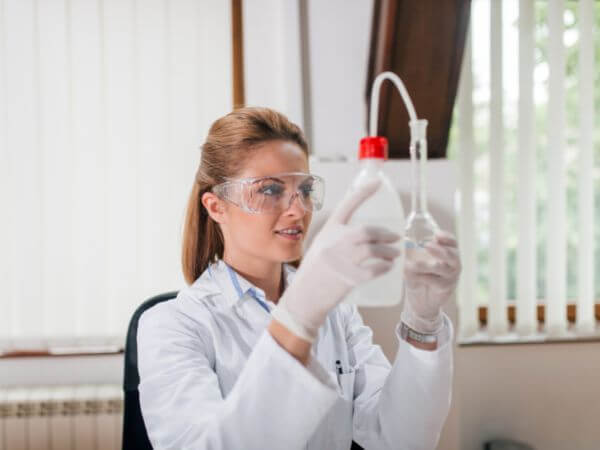
Water Analysis:

The analysis includes evaluating the physical, chemical, and biological parameters of the water to ensure its quality and safety for consumption or other purposes. Some common parameters that are tested during water analysis include pH level, turbidity, total dissolved solids (TDS), hardness, chlorine levels, microbial contamination, and presence of heavy metals or other pollutants.

Physical parameters like turbidity and color are assessed to measure the clarity and appearance of the water. Chemical parameters such as pH, TDS, hardness, and chlorine levels help determine the water’s taste, odor, and suitability for different purposes. High levels of these parameters can indicate the presence of excessive salts, minerals, or contaminants.

Microbial analysis involves testing the water for the presence of harmful microorganisms like bacteria, viruses, and parasites. This is particularly important as these pathogens can cause waterborne diseases such as cholera, typhoid, or dysentery.

Heavy metals and other pollutants analysis is carried out to check if the water is contaminated with substances like lead, arsenic, or pesticides. These substances can be harmful to human health if present in high concentrations.

Regular water analysis is crucial in identifying any potential contamination sources and taking appropriate measures to prevent waterborne diseases. It helps maintain the quality and safety of the water supply on board, ensuring the well-being of the crew and passengers. Additionally, it enables prompt action in case of any issues, such as implementing water treatment methods or repairing water storage or distribution systems.

In conclusion, water analysis is an essential practice in maintaining a safe and healthy water supply on board. By evaluating various physical, chemical, and biological parameters, it helps identify any potential risks or contaminants and allows for appropriate preventive measures to be taken.